Facts
Why Are Indian Roads So Dusty and Full of Potholes? The Solutions

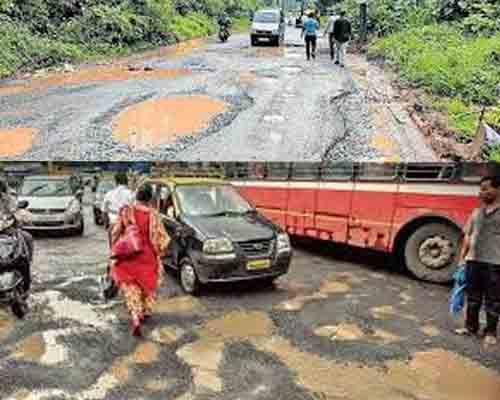
cities and the country roads are increasingly facing the same issues as a result of time and again as highways and expressways in certain areas indicate the quality of infrastructure that the world has to offer. Every monsoon more cracks and potholes open, old ones become even deeper, and the dust level rises, making the process of commuting not only unsafe but also uncomfortable. But what is wrong with the Indian roads wearing off so quickly? A combination of improper planning, inadequate implementation, and late maintenance is the solution. Let’s break it down.
The Root Causes Behind India’s Dusty and Damaged Roads
Ineffective Drainage Systems
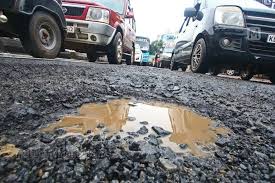
The worst enemy of asphalt roads is water. Drainage systems are either poorly designed or absent in most cities in India. When it rains the rain water accumulates at the surface and then percolates down the layers of the road, weakening the binding material. With time, tiny cracks turn into huge potholes particularly in monsoons.
Overloaded Vehicles
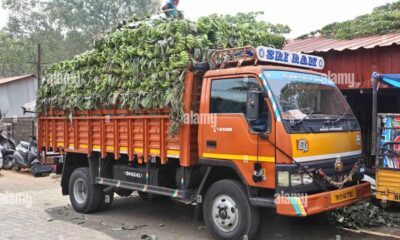
Buses and heavy trucks tend to overweight themselves. These overburdened vehicles pressure way beyond the stipulated road surface. This leads to roads buckling and crumbling way before anticipated.
Poor-Quality Construction Materials
The materials that are used determine the longevity of any road. It is, unfortunately, an Indian malpractice to use low-quality asphalt and weak aggregates. This shortens the life span of the road and hastens the process of deterioration.
Dusty Climate and Constant Construction
Dust is another menace. The Indian areas are mostly dry, and most of the time, there is construction work that aggravates the dust content. This dust accumulates in the road making the road slippery, creating low visibility and also damaging the surface when it is combined with moisture.
Poor Maintenance Practices
Rather than being maintained consistently and in a preventative way, roads are usually left undecided until they are in a hazardous condition. This defensive strategy is more expensive than the long term and frustrates commuters.
Systemic Issues That Make the Problem Worse
Unscientific Road Design
The appropriate development of roads presupposes extensive testing of the soil, laying, and application of highly developed construction methods. These are very vital steps that many roads in India miss because they end up having very weak foundations that are unable to support heavy loads.
Delayed Repairs and Red Tape
Even in cases where the damage is detected, bureaucracy slows quick repairs. Minor cracks grow into deep potholes by the time approvals and funds have been cleared.
Encroachments and Misuse of Space
Unauthorized roadside buildings, stalls and parking can not only reduce the available road space, but also block drainage and maintenance. This minimizes road performance and contributes to dust build-up.
Excessive Traffic Density
India boasts of one of the largest densities of vehicles. Millions of vehicles use the same roads each day and as such wear and tear are unavoidable unless roads are constructed to withstand this pressure.
Corruption in Contracts
Short cuts in road construction are natural results of mismanagement of funds and corruption during awarding of contracts. What follows is the appearance of roads that may appear good at the start but will soon degenerate owing to the eroded quality.
Practical Solutions for Smoother and Safer Roads
Use of Durable Materials
Road life can be enhanced by a large percentage by switching to fine materials such as polymer-modified bitumen and concrete. Such materials are also capable of supporting large weights and are resistant to adverse climatic conditions which minimizes the number of repairs that occur.
Technology-Driven Monitoring
Real-time cracks, weak spots, and early damage signs can be detected using the adoption of AI and IoT-based road monitoring systems. This would enable the authorities to put things back on track before the issue escalates.
Enforcing Load Regulations
There should be strict control over truck and bus loads. Fines, proper weigh stations and automated tracking can help deter vehicle overloading, which will reduce surface damage.
Dust-Free City Planning
The government should focus on dust control practices, which include more landscaping, construction site covers, and better street cleaning systems. This will both minimize road dust as well as enhance the quality of air.
Preventive Maintenance Over Crisis Repairs
Focusing on the preventive maintenance rather than on the repairs that are made in response can reduce costs and extend the road lifetime. The early efforts prevent small cracks into potholes and provide better rides.
A Vision for India’s Roads
The fast urbanization and increase in the number of vehicles in India have ensured that roads infrastructure requires immediate care. On the one hand, expressways and smart-city projects are a continuation of making progress, but on the other hand, ordinary roads still lag behind. The vision must be obvious: the roads must be durable, dust-free and engineered to support the heavy traffic flow.
This demands a transformation between short term solutions to long term strategies, low quality materials to global quality and corruption filled contracts to open bids.
Conclusion
It is not only the dusty and pothole filled nature of Indian roads that is a source of inconvenience but also a symptom of much more systemic problems. Poor drainage, overloading, poor materials, lack of maintenance as well as corruption all contribute. But solutions exist. India can go towards more durable and efficient roads by utilizing more robust materials, applying forceful surveillance technologies, implementing more restrictive laws, and adopting more proactive care.
Well-paved roads are not only a luxury, but also a prerequisite to economic development, civic safety, and the general standard of living. India should finally start treating the infrastructure, especially roads, not as a short term solution but as a long term investment.
Share this: