
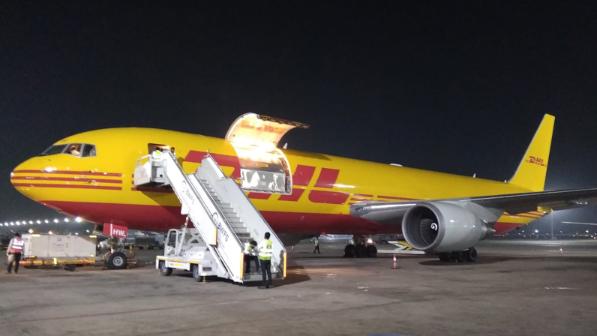
Facts
Why Do Cargo Airlines Still Operate Older Aircraft? Is It Just About Cost?

At first sight, it appears amazing that the cargo airlines can also own the old jets and continue operating them, whereas the passenger airlines are regularly updating their systems to more fuel-efficient ones. The response is not a matter of cost only, as that is a large element of the response. As a matter of fact, the persistence of the use of older cargo aircrafts is a cocktail of expediency, cost-effectiveness, versatility, and utility.
1. Reduced Costs of Purchase and Conversion
Purchasing a new aircraft is insanely costly, and it can be even more than 100 million dollars. However, passenger aircraft used before will be much cheaper (and several times less than the new ones), bought secondhand and, as freighters, converted. As compared to the cost of building a new freighter, this conversion process is much cheaper, which seems appealing to cargo operators in case they want to add to their fleets without spending much and in the shortest time possible.

air cargo
2. Cargo Lays No Complaint
Commercial aviation is concerned with passenger comfort very much. To improve the flying experience, airlines will spend in their cabins getting quiet, in new interiors, and improved fuel economy. Cargo, though, does not require the luxury of reclining seats or in-plane entertainment. A plane that is old enough to still have the safety requirements, and which is still able to fly at the highest capacity, is good enough.
3. Time-Tested Dependability and Ease of Use
The Boeing 747-400 or McDonnell Douglas Dc-10 is several decades old. Maintenance teams are conversant with their systems, and they can find spare parts easily. This aspect renders them to be ideal working horses when the freight is in transit especially when the companies involved in transportation are based in territories with inadequate infrastructure or peak seasons like holidays.
4. Flexible Use and Routing
Freighters regularly have unusual flight schedules; they might fly in difficult environments or shorter, less-travelled routes. An aircraft that is not put under its heavy operation like that of a passenger plane can stay in operation economically because it is older. In addition, most of the older aircraft may have cargo doors and floors that are larger and more suitable in retaining oversized freight or heavy freight contents, which may not be provided in the newer narrow-bodied passenger aircraft.
5. Depreciation Advantage
Cargo airlines usually do not make much money selling their aircrafts, so when the aircraft is fully paid off, they have an advantage of having an asset that is almost already depreciated (in terms of financial losses). This gives better control to the operators of cash flow and also enables them to give better pricing to the market.
air cargo
Conclusion
Sure, price is a big consideration, but not everything. In cargo aviation, older planes are also useful since they are dependable, cheap, and effective. So long as they comply with the safety rules, these flying veterans are going to serve the industry well, as they can even deliver goods effectively, thus, sometimes, old is gold in the air!
Follow for expert logistics breakdowns.
Share this: