
Research
What is Blockchain in Logistics? How is it Making Indian Supply Chain Tamper Proof?

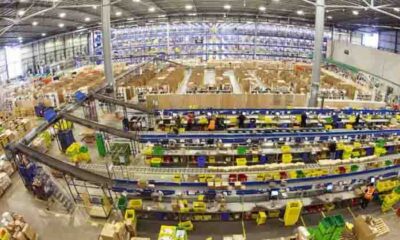
The supply chain in India is huge and complex. From factories to warehouses and then to final delivery, there are many steps involved. Usually, a lot of records and papers are used in this process, and handling them all is not easy.
Basically, fake entries and tampering can happen when so many people and documents are involved. Actually, this creates big risks for companies that depend on smooth and honest transport. Blockchain technology is now seen as a solution because it gives a secure and clear record for every step in the chain.
What is Blockchain
Blockchain is actually a digital record system where data is stored in blocks that are connected like a chain. Usually, once data is written on the blockchain, it actually cannot be changed or also it cannot be deleted, which makes it even more safe.
Basically, every partner in the supply chain — from the supplier to the transporter to the buyer — can actually see the same record at the same time. Actually, this system builds trust because nobody can secretly change information. Especially for big shipments, this kind of clarity is very useful.
Problems in Supply Chain
The Indian supply chain faces many problems even today. Fake invoices and false entries are common issues, and they make companies lose money. Usually, delays also happen because of heavy paperwork, and goods get stuck in one place longer than needed.
Basically, there is also a lack of trust between parties because one side may feel the other is hiding details. Actually, the risk of fraud stays high when information is not open or secure. Especially in a country with so many layers of transport and approvals, these problems grow even bigger.
How Blockchain Helps
Blockchain can solve many of these problems by making data open and secure. Transparent records mean every step is visible, from loading to delivery. Usually, this makes it harder for anyone to hide fake details.
Basically, blockchain keeps data tamper proof, so no one can edit or remove it once added. Actually, it also makes verification of goods and payments much faster. Especially when all parties trust the same digital record, disputes reduce and work moves even more smoothly.
Use in Indian Logistics
In India, blockchain use is slowly expanding and It is already helping in areas like GST records and also in e-way bills, where accuracy is very important. Usually, it is also being tested in ports and customs to make cargo movement faster and cleaner.
Basically, many big companies are now running pilot projects to track cargo with blockchain. Actually, this can reduce corruption, stop leakages, and bring more trust into the system. Especially in export and import trade, blockchain is becoming a strong tool to fight fraud and delays.
Conclusion
Blockchain is not yet common in every part of Indian logistics, but the progress is steady. Basically, adoption may be slow because it needs training, money, and technology, but it is moving forward step by step.
Actually, once blockchain spreads more, it will bring trust and speed to the full supply chain. Essentially, the Indian supply chain will be safer, more reliable, and also less open to tampering, which will actually help both businesses and customers.
Join Our WhatsApp Group
Click here to join our official Logistics Updates WhatsApp group


I am a writer who loves to write in a creative way, with experience creating professional articles on logistics, transport, and supply chain topics. I focus on writing in a simple and engaging way to make even complex topics easy to understand for readers.