
Facts
What COVID-19 Really Taught Us About Logistics — And Why We’re Still Not Listening

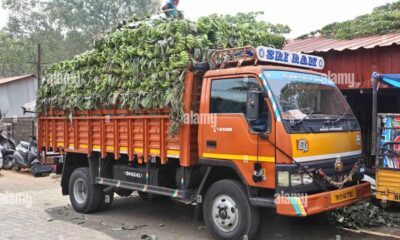
The year 2020 was actually like hitting a pause button for the world. Especially for India, one of the biggest shocks was the way COVID-19 brought logistics to a stop and. The trucks that once kept cities alive with food, medicine, and essentials suddenly disappeared from the roads. Overnight, we realized how fragile our supply chain really was. Logistics wasn’t just about moving goods anymore — it had become a matter of survival.
Logistics Breakdown During COVID-19
When the nationwide lockdown actually began, trucks and lorries were stopped at state borders. Without any clear rules or permits, many vehicles carrying essentials were left stranded for days. Adding to this, thousands of drivers left for their hometowns, afraid of being stuck without work or safety. This driver shortage made the situation worse.
The result? Even essential items like rice, pulses, and medicines couldn’t reach any of the people who needed them. Urban supermarkets had empty shelves, while villages often had no transport to bring in daily necessities. What was once invisible — the constant flow of goods — suddenly became the biggest problem everyone could see.

Lessons COVID-19 Taught Us
The pandemic actually exposed weaknesses but also showed us possible solutions. Governments and companies had to move fast. Online permits for truck movement were introduced so that drivers didn’t have to run around for paper approvals. This cut delays and kept some goods moving.
Another very important step was the creation of “green lanes” for essential supplies. These lanes allowed trucks carrying those food, medicine, and also oxygen cylinders to pass without long checks. The crisis also pushed companies to strengthen their last-mile delivery and the final step that connects warehouses to homes. With people locked indoors, services like hyperlocal deliveries and e-commerce became lifelines.
Why We’re Still Not Listening
But here’s the hard truth — once the lockdown ended, many of these lessons were forgotten. Roads in many parts of India are still poor, slowing down movement. Paper-based systems and outdated checkpoints continue to create unnecessary delays. In recent months, even without a lockdown, we have seen trucks waiting for hours due to lack of coordination.
This shows that the system has not learned enough. If another crisis hits — whether it’s a pandemic, a natural disaster, or even a global supply shock — India’s logistics could again struggle badly.
Conclusion
COVID-19 was more than a health crisis; it was a warning for India’s logistics sector. We actually learned how much our lives depend on smooth transport and timely delivery. But warnings only matter if we act on them. If roads remain broken, if systems stay manual, and if drivers are not supported, the next emergency could bring an even bigger breakdown.
It’s the perfect time to listen to the lessons COVID-19 taught us and it’s very important to fix logistics before it’s too late.
Follow Logistics News Website India
Share this: