Facts
The ‘Urbanization’ of Trucking: Are digital freight platforms the end of the road for traditional brokers?

Trucking in India is moving through a major shift. What was once a business fully dependent on personal links and old-style brokers is now getting changed by technology. Usually, digital freight platforms are coming up everywhere, and more people are starting to use them.
Basically, these apps allow truck owners and shippers to meet online without needing to go through too many middlemen. Actually, brokers still work in many places, but they are under pressure because digital systems are growing fast and becoming more popular.
What Are Digital Freight Platforms
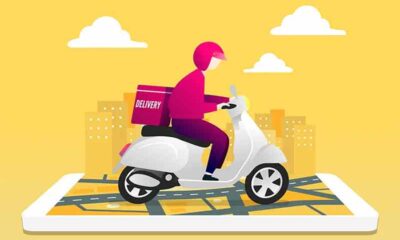
Digital freight platforms are apps or online systems that connect truck drivers with goods owners directly. Usually, they help with faster matching between load and truck, which means goods move quicker and drivers don’t waste time waiting.
Basically, with such platforms, a driver can find the next load just through the app. Actually, it saves both time and also fuel since trucks do not run empty. Especially in big cities where loads are quite plenty, these platforms make trucking smooth and even more organized.
Problems With Traditional Brokers
Traditional brokers have played a strong role in Indian trucking for decades. But the system has many problems and usually, brokers take high commissions, and also the driver or the shipper does not know the exact breakdown of cost. This creates confusion and less trust.
Basically, shippers often face delays and extra costs when brokers control the deal. Actually, many small truckers depend on brokers to get loads, but they also end up losing a big share of their income to them. Especially in cases where urgent loads are needed, this system feels slow and outdated.
How Digital Platforms Help
Digital platforms are trying to fix many of these gaps and the most important benefit is transparent pricing. Usually, the shipper knows exactly what the trip will cost, and also the driver knows what they will earn. Real-time tracking is another major plus, which helps both sides feel safe and also in control.
Basically, digital payments are even more faster and also remove the risk of delayed settlements. Actually, fewer middlemen means more money goes directly to the driver, which actually improves their earnings. Especially when shippers see real-time updates and smooth payments, trust grows between both sides.
Challenges of Digital Freight
Even though digital freight platforms are actually growing, but there are still many challenges. Many truckers, especially older ones, do not know how to use mobile apps. Usually, in rural areas, network problems also make it hard to run the apps smoothly.
Basically, trust is another big issue. Actually, brokers have personal links with both drivers and also with shippers, and that kind of relationship is hard for apps to replace. If any issue comes up, like not getting payment, facing RTO problems, or needing quick help, getting customer support from these apps is not always easy. Especially for small truckers, this lack of direct human support is a serious concern.
Conclusion
Digital freight platforms are clearly the future of trucking in India. Usually, more shippers and drivers will shift towards these systems because they save time, money, and fuel. Basically, brokers may not completely disappear, but their role will definitely change in the coming years.
Actually, both systems can also work together, where brokers use apps to find loads but continue giving personal support. Essentially, the future of trucking is more digital and also less manual, and adapting to this change will also benefit everyone in the logistics chain.
Share this: