Research
The Return-to-Profit Playbook: How to Monetize on Customer Returns

Customer returns are usually seen as a big problem for shops. Every time a product comes back, money seems to go waste. Extra transport, damaged goods, and unhappy buyers all add pressure on businesses. Actually, many stores feel that returns are just a burden. But with the right strategy, returns can turn into an opportunity. Basically, a smart return plan can not only reduce loss but also help a business grow stronger.
Why Returns Cost
Returns usually cost money because of multiple reasons. First, there is extra transport. Goods have to travel back to the shop or warehouse, and this adds fuel and labor charges. Second, some products come back damaged. A cracked phone, torn dress, or broken box usually cannot be sold as new again.
Customers also return items due to wrong size, wrong taste, or simply because they changed their mind. Actually, these reasons may look small, but when they happen again and again, they become a major cost. Basically, frequent returns cut into profit margins and disturb smooth business flow.
Reduce Returns
The best way to save money is to reduce the number of returns. Shops can usually do this by giving customers clear information before they buy. Showing good product photos, giving size guides, and explaining product details helps customers make the right choice.
Simple return rules also play an important role. If buyers know exactly how and when they can return, confusion is quite reduced. Actually, a clear system builds lot of trust and lowers mistakes. Basically, prevention is cheaper than repair, so stopping unnecessary returns is the first step in the playbook.
Make Money from Returns
Even when items come back, there are ways to make money. Shops can repair, clean, or repackage returned items and sell them again. If they cannot be sold as new, they can still be offered as those discount items. Usually, many customers like to buy at lower prices if quality is still good.
Another smart option is to offer store credit instead of cash refunds. This keeps money inside the shop and pushes customers to buy again. Actually, this method not only saves money but also brings repeat sales. Basically, every return can become a chance to sell again.

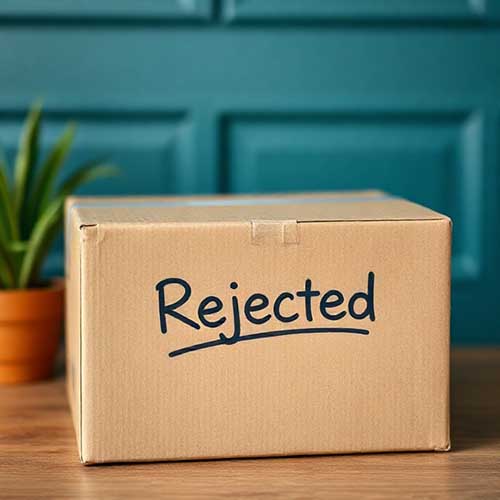
rejected box
Extra Chance
Returns are not only about refunding, they are also about building new opportunities. When a customer comes for a return, shops can suggest new products. Offering an exchange is basically an easy way to keep the sale alive.
Return data is also very useful. Shops can analyze why people return items. Maybe the size chart is wrong, or maybe the product quality is not consistent. Actually, this information helps fix weak points. Especially when businesses act on return feedback, they stop future losses and keep customers happy.
Problems
Of course, the system is not without problems. Repair cost is sometimes very high, and in such cases profit becomes thin. Storage space is also needed for returned items, and usually small shops struggle with this.
Fraud returns also happen when people misuse policies. Some may use products for a short time and send them back. Actually, this type of cheating hurts businesses badly. A bad return experience also damages the brand, because customers expect smooth service. Basically, the playbook must balance profit with trust to avoid these risks.
Conclusion
Returns are not always a loss. They can actually become a smart way to earn back money and keep customers engaged. With the right system—repair, resale, credit, or even exchange—businesses can recover costs and even it also can grow sales.
Basically, the return-to-profit playbook is all about turning problems into chances. A good return system makes customers feel even more secure and also builds loyalty. Essentially, when buyers trust that returns are handled fairly, they shop more confidently. And in the end, that trust itself is the biggest profit a business can earn.
Share this: