
Resources
How Multi-Modal Transport is Reducing Logistics Costs in India

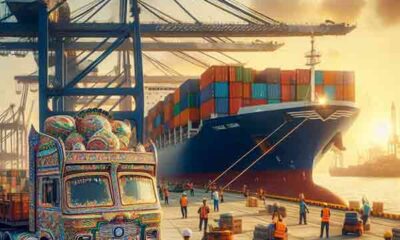
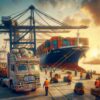
The logistics cost in India has always been high at approximately 13-14% of the GDP whereas the international average is 8%. Among the most important solutions that are changing this space is the emergence of multi-modal transportation, when two or more modes of transport (road, rail, air, inland waterways, coastal shipping) are combined to facilitate the flow of goods. Due to the government and the private sector in this process, the level of logistics is continuously dropping.
Why Multi-Modal?
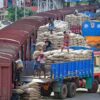
The Indian traditional logistics is dependent much on roads with approximately 60 percent of the goods transported through trucks. This contributes to traffic jams, poor fuel consumption and increased emission of carbon. When modes are combined, e.g. delivering bulk freight by rail or waterway and the drainage portion by road, the speed and stability is achieved as well as lower overhead costs.
Government Push: Gati Shakti And PM Gati Shakti Master Plan
The main center of transformation logistics in India is the PM Gati Shakti initiative. It was launched in 2021 and is designed to break silos of transport planning by linking departments with a digital infrastructure. As an example, a company may now be able to plan goods transfer, between the Jharkhand mines and the Tamil Nadu ports using (rail + coastal shipping) thereby reducing delay and its costs.
Inland Waterways and Freight Corridors
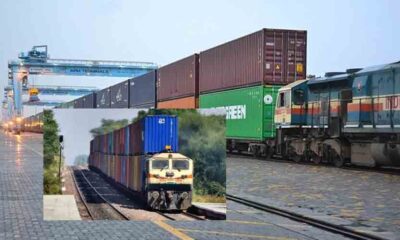
Dedicated Freight Corridors (DFC) including Eastern and Western DFCs have cut on turnaround time of heavy cargo. At the same time, the drive of the government to develop inland waterways (such as the routes of Ganga and Brahmaputra) offers a cheaper option of bulk transport that is almost 60 percent less expensive than roads and 30 percent less expensive than rail.
Industry Adoption
Multimodal solutions that integrate technology enabled logistics dashboards that offer route optimization are already being deployed by companies such as Adani Logistics, CONCOR, Tata Steel and others. The e-commerce titans such as Amazon India are trying out rail-cargo consortia to make deliveries to the Tier-2 cities.
Challenges and the Road Ahead
Although the model holds promise, some of the challenges are infrastructure deficiencies, intermodal mode coordination, and intermodal terminal delays. But thanks to the National Logistics Policy (2022) that requires end-to-end integration, India is going to have logistics costs more in line with the global average within the next few years.
Conclusion
Multi-modal transport is not only a combination of vehicles, but also a reconstruction of how freight moves. With highways, railways, and ports, and waterways weaved into one continuous network, future logistics is smart, green and cheap in India.
Follow Logistic Heroes – Indian Transport and Logistics News


The editorial team of - Logistic Heroes news Website - managed by a group of seasoned professionals with diverse expertise in supply chain management and latest technologies using in cargo Industry. With several years of on-site experience, the team provides in-dept analysis, conducting interviews and podcasts, helping readers stay informed about the latest trends, changes and innovations in logistics Industry.