Research
20% of India’s Trucks Face Scrappage — Freight Crisis Incoming?

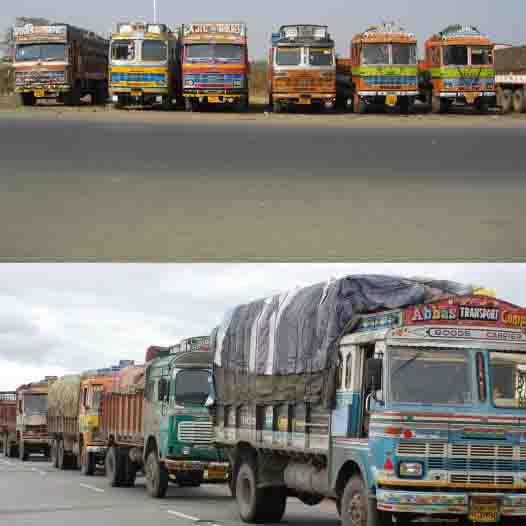
The old truck fleet in India is becoming a major strain-inducing aspect in the freight transport sector in the country and industry observers believe that the extensive scrapping of the old truck can lead to increasing freight rates and logistical congestion. The article by Indian Transport & Logistics News shows that some 1.1 million heavy trucks, approximately 20 percent of the current fleet, are older than 15 and will probably be flagged over by the government to be scrapped as part of its vehicle fitness regime.
Why are so many old trucks still in use?
The Medium and Heavy Commercial Vehicle (MHCV) fleet has increased to 5.4 million vehicles today compared to the 2 million vehicles in FY 2005 though fleet renewal has lagged behind.
Regulatory and economic factors include:
- Regulatory changes like an increase in axle-load standards in 2018
- Costly switch to BS-VI emission standards in 2020 which discouraged new purchases
- Cash flow limitations during the COVID-19 pandemic
These factors compelled numerous fleet owners to prolong the service life of old vehicles rather than offer them for replacement.
Scrappage Policy Becomes Effective
The Voluntary Vehicle-Fleet Modernization Programme that will be enforced on October 1, 2024, requires automated fitness testing of heavy commercial vehicles that are over 15 years old.
Key aspects include:
- Trucks failing the fitness test must be scrapped
- Faster retirement of ageing rigs
- Incentives such as waiver of road taxes
- Discounts on purchasing BS-VI compliant vehicles
Despite this, the initial cost of a new BS-VI compliant truck (approximately 35–40 lakh) remains a significant impediment to small and medium fleet owners.
Inflation of Costs and Freight
Older trucks cost more to operate:
- Consume 5–7 percent more fuel
- Require almost double the maintenance of newer trucks
Combined with recent toll hikes and rising financing costs, the baseline operating cost of long-haul trucking has increased by approximately 6–8 percent in the last year.
Impact on Freight Capacity and Rates
As a result:
- Freight capacity may decline by 1–2 percent in the short term
- Increased downtime due to inspections
- Spot freight rates may firm up by 2–5 percent
This impact is expected on major corridors such as:
- Delhi–Mumbai
- Chennai–Bangalore
In a replacement super-cycle scenario in FY 2026–27, carriers may pass on higher capital costs through:
- Contract freight rate increases of another 5–8 percent
- Slower supply addition compared to demand

lorry office How to Book
Winners and Losers
Likely winners:
- Truck OEMs
- Auto parts suppliers
- Scrap-recycling players
Likely losers:
- Small fleet owners facing financing challenges
- Shippers with low margins dealing with higher freight costs
What It Means for Logistics
The scrappage wave may cause a temporary spurt in freight prices, putting pressure on just-in-time supply chains. However, in the long term, a younger and more efficient fleet promises:
- Reduced downtime
- Better fuel efficiency
- Lower emissions
This outcome will depend on how effectively policy incentives and financing solutions are extended to smaller operators.
Share this: