News
India–EU Free Trade Deal Signals Major Shift in Global Shipping and Logistics

The recently decided India-European Union Free Trade Agreement (FTA) is a turning point in world logistics, trade routes and supply-chain policies. This pact, which is being heralded as one of the most significant trade deals of the century, was negotiated in almost 20 years and signed officially on 27 January 2026, in which almost all the goods are going to be traded between the two economies, which together comprise approximately 25 percent of the world GDP and a third of the global trade.
Lessening Obstacles and heightening commerce.
One of the advantages to logistics is because of reduced tariffs or elimination of tariffs on approximately 96-97 percent of goods traded between India and the EU. This will render exportation and importation cheaper and predictable leading to a growth in trade. An example is that Indian exports such as textiles, leather, marine products and gems and jewellery are enjoying substantial duty relief into the EU whereas European machinery, automotive parts and high value manufactured goods find their way into India easily.
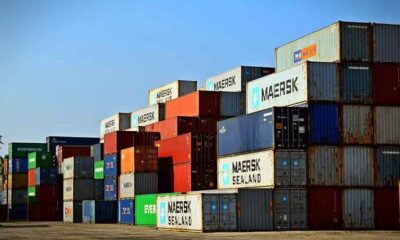
Reduced tariffs are translated directly into a lower landed cost leading to the incentives of both regions to scale up the volume of shipment through sea transport which carries the bulk of the trade value. The ports and container lines used by the Indian and European gateways will find more traffic as the exporters will take advantage of the tariff advantages. The agreement also fosters regulatory harmonization and use of customs cooperation – very important factors that can improve the border processes, minimize the time spent at the border, and decrease logistical friction.
Change of Shipping Patterns and Supply-Chain Reconfigurations.
Prior to the FTA, most of the trade flows in India used to be determined by high obstacles and preferential treatment of the rivals in South and Southeast Asia. Shipping routes between Indian ports (such as Nhava Sheva, Chennai and Mundra) and other key EU centres (such as Rotterdam, Hamburg and Antwerp) could achieve long-term volume growth with the FTA. The stable duty environment also encourages charter contracts and direct container services that will result in greater reliability in the logistics and a reduction in the freight costs in the long-term.
The other benefit of trade is that it is diversified in terms of trade routes. This will shift the traditional markets, which are high tariff (e.g. the U.S. where the tariff has been high and continues to be high) to the EU, which will cause the shift in cargo flows along the major east-west routes in the oceanic trade. Such diversification disperses risk and works along many different corridors and it promotes network resilience, which is essential in geopolitical uncertainty and trade protectionism around the world.
Incentives to the Logistics Service Providers.
Third-party logistics (3PL) companies, freight forwarders, and shipping lines will find themselves in a better position as the trade volumes will rise, and the period of contracts may last longer. The demand of warehousing in European transshipment hubs and Indian export gateways is anticipated to increase which will lead to the investment in logistic infrastructure and multimodal connectivity. Enhanced cargo clearance through enhanced customs under the FTA can also help to increase the speed of the supply-chain besides minimizing inventory holding costs.
To conclude, the India-EU FTA can be more than a trade agreement, it is an engine of redefining how shipping flows globally, with logistics networks, and introducing efficiencies in ports, freight corridors, and multimodal supply chains. With the decline of tariffs and harmonization of regulatory procedures, the logistics landscape connecting Asia and Europe will be exposed to the rapid increase of growth and integration.
Join Our WhatsApp Group
Click here to join our official Logistics Updates WhatsApp group


The editorial team of - Logistic Heroes news Website - managed by a group of seasoned professionals with diverse expertise in supply chain management and latest technologies using in cargo Industry. With several years of on-site experience, the team provides in-dept analysis, conducting interviews and podcasts, helping readers stay informed about the latest trends, changes and innovations in logistics Industry.