
Research
From Independence to Innovation: How Logistics Has Driven India’s Progress Since 1947

In 1947, India got its freedom and the country was left with a broken and old mode of transport which was not intended to benefit the interest of the land but the interest of the colonial masters. The roadways, railways, and ports were oriented to the extraction of resources, rather than creating domestic industries and facilitating trade internally. Nevertheless, logistics over the decades proved to be one of the silent forces of India development. The logistics industry has boosted economic growth, connectivity, and innovations more than agriculture, defense, manufacturing and digital commerce.
The Early Years: Building the Foundation
Self-reliance was the priority of India in the first 20 years of independence. It was about establishing the rudimentary infrastructures such as roads, rail systems, ports to accommodate the Five-Year Plans. The government pumped a lot of money into government sector projects (PSUs) like the Food Corporation of India (FCI) to facilitate the distribution of food grains. In some ways, the issues of inefficiency and inadequate road connectivity were the same, but on the other hand, this era gave birth to modern-day logistics through the unification of supply chains of agriculture and basic commodities.
Liberalization and the Growth of Trade
The Indian economic reforms in 1991 altered the course of logistics in India. Liberalization allowed foreign investment and international trade in the country which exerted huge strains on ports, airports and freight corridors. Containerization started getting more and more popular and the involvement of the private sector in logistics services grew. Modern warehousing, third-party logistics (3PL) solutions, and technology-driven operations were introduced by new entrants, minimizing inefficiencies. With the increase in exports, particularly in textiles, IT hardware and pharmaceuticals, logistics came to be a key competitiveness issue in the Indian marketplace.
Technology and Supply Chain Transformation
The 2000s saw India’s logistics sector move from being transport-focused to supply chain–driven. The rise of IT services gave logistics a digital edge. GPS tracking, warehouse management solutions, and Enterprise Resource Planning (ERP) systems enabled leaner and transparent supply chains. With the emergence of individual cargo airlines and freight corridors, efficiency was introduced to transportation over long distances. In the meantime, the Golden Quadrilateral as part of the National Highways Development Project revolutionized road freight, linking industrial centres together more effectively.
E-commerce and the Digital Revolution
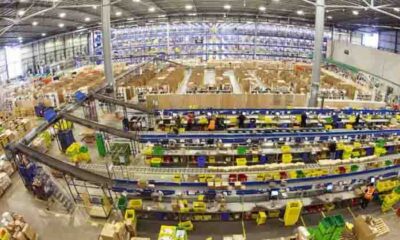
E-commerce would not be part of the logistics story of India. Last-mile delivery was revolutionized by platforms such as Flipkart, Amazon, and subsequently ONDC. Innovation in warehousing and transportation was driven by cash-on-delivery models, the demand in same-day delivery, and the challenges of reverse logistics. Hyperlocal delivery companies and logistics startups implemented data analytics, artificial intelligence, and automation to streamline routes and reduce expenses. It was not only a digital revolution that enabled businesses; but it also made the lives of millions of consumers to be convenient and even remote towns were connected to the mainstream economy.
Green and Sustainable Logistics
The logistics industry in India today is not only about efficiency, but also sustainability. Green logistics are taking hold with growing concern about climate change and increasing fuel prices. Last-mile delivery electric vehicles, cold storage using solar energy, and multimodal logistics parks are contributing to the decrease in carbon footprint. Government programs such as Gati Shakti, Sagarmala and Bharatmala are designed to bring road and rail, port and air logistics together in an interconnected system, enhancing even more innovation.
Conclusion: Logistics as a Driver of Progress
After a disjointed colonialism, India has evolved into one of the fastest-rising logistics markets globally since 1947 that illustrates the transformative prowess of the sector. Logistics has linked farmers to the market, business to consumers and India to the globe. It has transformed the bullock carts and the overcrowded ports into online platforms and integrated corridors. With India aspiring to grow into a 5 trillion economy, logistics will not only continue to support but to be a strategic growth and innovation driver in ensuring that the country grows in an inclusive and sustainable manner.
Follow Logistics Supply Chain News Website India
Share this: