
Research
How the Logistics Cities of India are driving the next stage of trade and economic development?

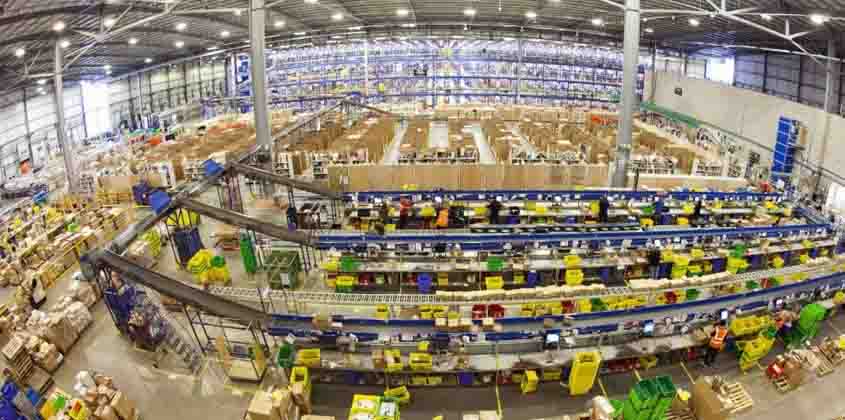
The logistics landscape within the Indian context is gradually but continuously transforming to a system of high performance logistics cities that will manage to create a stir in the next stage of business, industrialization and supply-chain efficiency. Previously unrelated warehouses in the outskirts of the metropolitan areas are now turning into entire logistic communities where the warehouse, distribution, increase and value-added services all come together on a unified and scalable platform.
“India’s transportation and logistics sector has undergone a phase of structural transformation in 2025, driven by policy reforms, accelerated infrastructure commissioning, and expanding digital integration.”
— Bhavik Vora, partner and transportation & logistics industry leader at Grant Thornton Bharat.
The Reorientation towards Modern Organised Infrastructure
The experts in the industry have explained that institutional investment, formal demand and changing strategies of supply-chain are leading the change of unorganised storage facilities to planned, modern logistics hubs. These logistical cities will assist in the speed of goods flow, lowering on operation costs and enhancing reliability and these are significant to a trade based economy like India.
The Demand of Manufacturing and E-Commerce drives the Growth
The most significant contributor to this shift is the increased demand of manufacturing, organised retail and e-commerce sectors who are transforming their operations into huge logistics parks. These centres afford the accessibility to significant consumption centres, and the capability to be adaptable to support the technology-supported supply-chain applications, including automation establishments and hub-and-spoke distribution business designs, which reduce transit time and logistics costs.
Strengths include Geographical Positioning
The site and connectivity is a significant feature of the new logistic cities. The major hubs are concentrated in the areas around freight corridors, ports and cities and enable freight movement easier and more accessible to multimodal networks of transport. Even though the existing centres, like the Mumbai Metropolitan Region, Delhi-NCR, Chennai and Bengaluru continue to lead the activity in logistics, new centres in the Tier-2 and Tier-3 cities cheap in terms of cost and replete with industrial growth opportunities are emerging.
Furthering Policy and Privatization
Other factors such as the governmental support and coordination in the shape of improved regulatory atmosphere, incorporation and congruence of infrastructure and coordination with other programs such as Gati Shakti have also played a vital role in the establishment of these changes. This policy support has brought in inflow of private capital in large scale and compliant logistics infrastructure against short term real estate projects.
Making the Indian Trade Global Competitive
It is felt that the logistics cities will not only augment the domestic supply-chain capacity but will augment the competitiveness of India in international trade, by improving the reliability of the freight, reduction of delays, as well as linking production centers with ports and centers of major consumption.
One of the Key Economic Strategy Pillars
Overall, logistics cities are becoming the key to the economic policy of India because they provide an opportunity to trade and supply chains that can be more resilient and connected to the domestic and international markets more.


The editorial team of - Logistic Heroes news Website - managed by a group of seasoned professionals with diverse expertise in supply chain management and latest technologies using in cargo Industry. With several years of on-site experience, the team provides in-dept analysis, conducting interviews and podcasts, helping readers stay informed about the latest trends, changes and innovations in logistics Industry.