
News
India’s Coastal Game-Changer: How Sagarmala Is Revolutionizing Logistics

When most people only think of India’s transport system, roads and railways are actually the first to come to mind. Yet, the sea — with its immense potential — often remains underused and then The Government of India actually recognised this and launched the Sagarmala Programme in 2015, it is a bold and ambitious plan to transform the country’s port infrastructure and coastal shipping network. The vision is to make the movement of goods so faster, cheaper, and also better connected to other modes of transport, while turning India’s coastline into a driver of economic growth.
India’s 7,500 km coastline and numerous navigable rivers are actually offered a huge opportunity for trade and also for transport. Sagarmala actually aims to unlock those potential by modernising all these ports, improving cargo handling systems, developing coastal shipping, and also by linking those ports to inland areas through roads, railways, and waterways. By shifting more goods to the sea, the programme actually hopes to cut logistics costs, reduce road congestion, and make exports more competitive.
The Scale of the Plan
The numbers behind Sagarmala underline its ambition:
- More than 500 individual projects are planned across India.
- Total investment is estimated at over ₹6 lakh crore.
- Ports will be actually upgraded with deeper berths to handle larger ships, high-capacity cranes, and automated cargo systems.
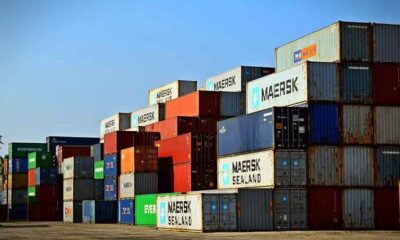
- Container yards will be expanded to store even more goods and reduce bottlenecks.
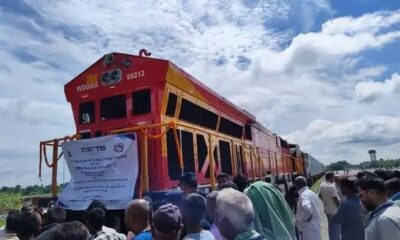
Better connections are always another key focus and the new expressways, dedicated rail lines, and also coastal shipping routes are actually being developed to make sure goods move so seamlessly between those factories, ports, and markets. This is especially very important for all those bulk goods like coal, cement, iron ore, and food grains, which are even cheaper to move by sea than by road.
Beyond the Ports
Sagarmala, it is not just about loading and unloading cargo, but the fact is it is also about promoting the use of inland waterways to move those goods directly from ports to cities, by avoiding those heavy road traffic. This actually also includes using rivers like the Ganga, Brahmaputra, and Mahanadi for barge transport. Additionally, the programme encourages setting up coastal economic zones — large industrial hubs located near ports to process goods for export, create jobs, and reduce transport times.
Early Success Stories
The programme has already shown promising results:
- JNPT Port in Maharashtra has actually cut turnaround times and now handles more containers in less time.
- Ferry services in Gujarat are making it even quicker and also cheaper to move both goods and passengers along the coast.
- Digital customs systems have also reduced those paperwork, speeding up clearance and also cutting those delays.
Challenges Along the Way
Despite the progress, Sagarmala faces all those real challenges and acquiring land for expansion can be quite a slow and contested process. Environmental concerns also must be addressed to ensure development does not actually harm those coastal ecosystems. Coordination between multiple government departments — from shipping to railways to environment — can also slow down their projects. Without strong oversight, these challenges could also delay some of the planned benefits.
The Road — and Sea — Ahead
Sagarmala’s future is actually closely tied to other major transport initiatives. It is also set to link with Bharatmala, the national highway development programme, and the Dedicated Freight Corridor, which also focuses on high-speed good trains. Together, these will create an integrated logistics network, allowing those goods to move so smoothly from factories to ports, and from ports to markets around the world.
If fully implemented, Sagarmala could be a turning point for India’s trade and also for its economy. Faster, cheaper, and more reliable logistics will make Indian goods even more competitive in global markets, it attracts new investment, and also it opens up opportunities for coastal states. For ordinary citizens, it actually could mean more jobs in shipping, port services, manufacturing, and also related industries.
In the long run, Sagarmala is more than just a port modernisation plan. It is actually an economic vision — one where India’s coastline is not just a boundary, but a gateway to global trade, prosperity, and growth.


I am a writer who loves to write in a creative way, with experience creating professional articles on logistics, transport, and supply chain topics. I focus on writing in a simple and engaging way to make even complex topics easy to understand for readers.