Research
Tariffs, Trade, and Transit: Effects on Logistics and Shipping

What really happens when goods move from one country to another? Most of the people do picture only about big ships, trucks, and containers carrying those products across borders. But the truth is behind the scenes of those visible movements, there are always certain rules, costs, and also agreements they need to follow and that have also created a huge impact on how fast, cheap, and smooth that entire journey will be and two of the biggest factors in this are tariffs and trade agreements, which can actually decide whether shipping is quick and affordable or it will be slow and costly.
A tariff is simply known as an extra charge or tax placed on those goods that are actually imported into or exported out of a country. For example, if an Indian company is actually selling their machinery to Europe, the European government might add a tariff to the price, making the product even more expensive for buyers. While tariffs are also often used to protect local industries from cheaper foreign products, they can be quite a challenge for those in logistics and shipping, as they push up costs and sometimes it actually makes certain trade routes less attractive.
High tariffs always affect more than just the final price because they can actually slow down trade, reduce the number of shipments, and also force exporters to search for cheaper ways to send products—or stop sending them altogether. If a tariff increases a product’s price by 20%, overseas buyers may simply choose not to purchase it. This actually leads to fewer shipments and also less work for transport companies.
Trade agreements, on the other hand, can make a huge difference. These are deals between two or more countries that set proper rules for buying and selling goods and many such agreements they do remove or reduce tariffs, making trade even more cheaper and faster. Some also do set guidelines for product quality, safety, and also for paperwork. If two countries have a free trade agreement, goods can often move between them with little or there wont be an extra tax. This means more business for shipping companies and quicker delivery times for customers.
However, the fact is not all countries approach trade in the same way and some do follow protectionism, by using tariffs to protect local industries from foreign competition. Others believe do actually in free trade, keeping barriers low to allow goods to move even more easily. Protectionism can actually slow down shipping by increasing costs and also by adding more checks at ports, while free trade can speed things up but it also increases competition for local businesses.
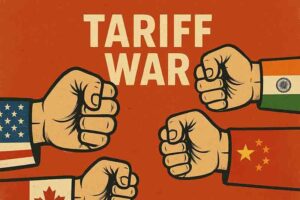
tarrif war
Another factor is transit agreements, which actually allow those goods to pass through one country on the way to another without paying any extra charges and these agreements are especially very important in regions where road or rail links pass through multiple countries. For example, the India–Bangladesh–Nepal transit agreement has made truck movement between these countries which is faster and easier, cutting down on heavy paperwork at every border and saving transport companies both time and also their money.
The effects of tariffs are actually clear in global examples. The US–China trade trade row saw both countries raise tariffs on each other’s goods, which sharply increased the cost of trade, and shipping between them actually slowed as companies and also looked for alternative suppliers in other countries to avoid the added costs.
Tariffs also often mean more than just higher prices because they usually bring more paperwork, customs checks, and port delays. For shipping companies, this can be so frustrating, as it adds lots of time and also uncertainty to deliveries. Many now use online customs systems and digital tracking to make the entire process even more faster. While technology can’t remove tariffs, it can only make handling the requirements less time-consuming.
Sometimes, companies do even change their shipping routes to avoid those high tariffs. Instead of sending those goods directly to a high-tariff country, they might also ship them to another country actually with lower charges and then move them onward. While not always the cheapest option, sometimes it can actually help reduce overall costs.
For India, tariffs and trade policies have a direct effect on the shipping industry. Ports, shipping lines, and exporters all actually depend on clear and fair trade rules. Lower tariffs can actually boost exports, create more business for shipping companies, and also strengthen the economy. Higher tariffs, on the other hand, can slow trade, raise costs, and also delay the delivery of goods. As global trade are actually continues to change, understanding tariffs, trade agreements, and transit rules is actually a key to keeping logistics smooth and competitive.
Share this: